Understanding Color Temperature (CCT) in Modern Lighting
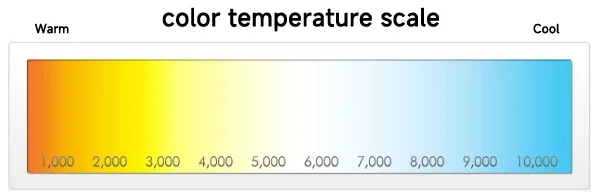
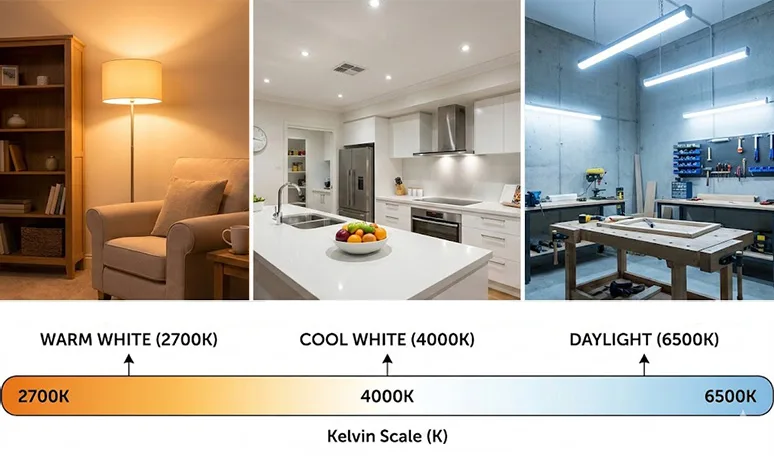
Color temperature is the foundation of how light feels in a space. Measured in Kelvin (K), CCT defines whether a light appears warm, neutral, or cool. Lower values produce a softer, warmer tone, while higher values create a clearer, cooler appearance. This difference does more than change visual color—it directly affects comfort, focus, and how a space is experienced over time.
In most general lighting applications, color temperature typically falls between 2700K and 6500K. Residential spaces often lean toward warmer tones, while task-oriented environments favor cooler light. Understanding this range helps users choose lighting that matches both function and atmosphere, rather than relying on brightness alone.
Why Color Temperature Matters in Modern Lighting
Choosing the right CCT is about suitability, not preference alone. Warm white light supports relaxed environments, neutral white balances clarity and comfort, and daylight tones enhance visibility in detail-oriented tasks. When color temperature aligns with how a space is used, lighting becomes more efficient and more comfortable to live or work under.
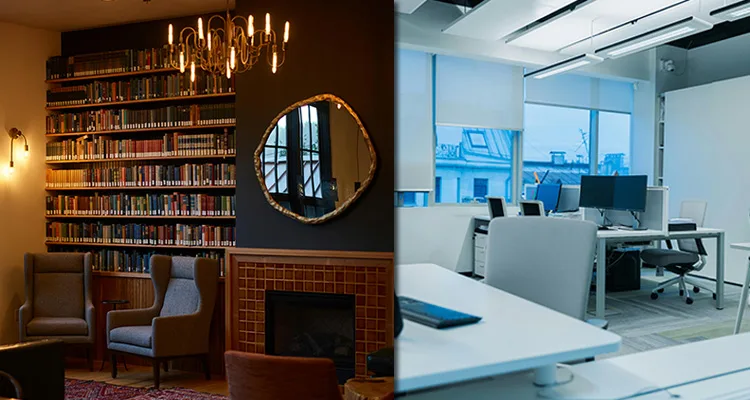
As lighting technology has evolved, users now expect flexibility rather than a fixed light tone. This demand has led to widespread adoption of tunable white lighting in ceiling lights, LED strips, and commercial fixtures. The ability to adjust CCT allows one luminaire to serve multiple scenarios throughout the day.
How Tunable White Lighting Is Achieved
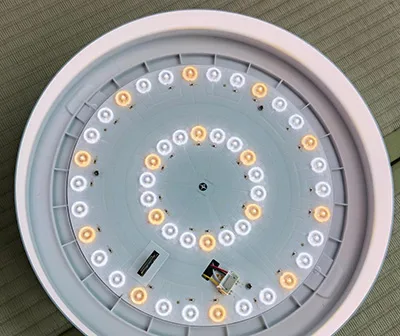
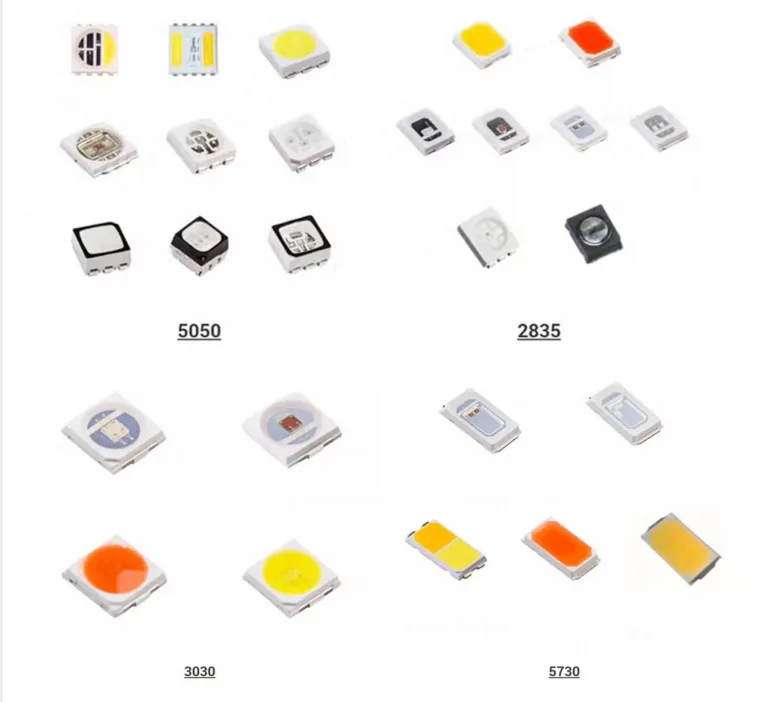
Tunable white lighting works by blending two fixed color temperatures. Instead of changing the color output of a single LED chip, modern fixtures use two separate LED channels: one warm white and one cool white. Both sets of LEDs are installed on the same light board or strip and controlled by a single driver.
By adjusting the current between these two channels, the driver changes the final light color. Increasing current to the warm LEDs while reducing the cool LEDs creates warmer light. Increasing the cool channel produces cooler light. When both channels operate together, their output blends naturally into neutral white light. This method ensures stable color control without compromising efficiency or lifespan.
How Users Control Color Temperature
Control methods determine how smoothly color temperature can be adjusted. Some luminaires use simple three-step switching, allowing users to toggle between preset CCT modes by turning the power on and off. This solution is practical and cost-effective for basic applications.
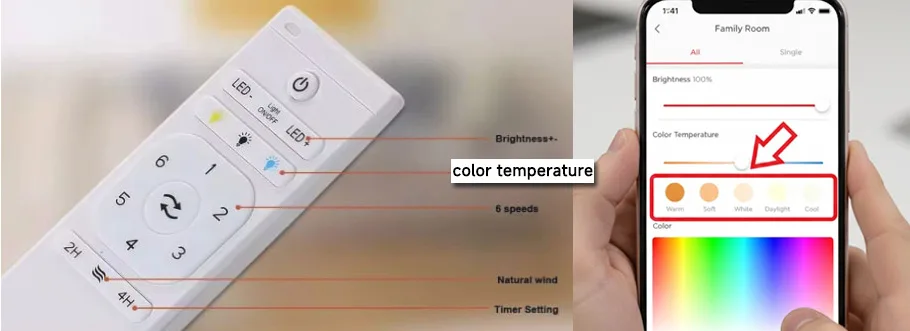
More advanced systems use remote controls or smart apps. These rely on PWM control to fine-tune current levels, enabling smooth and continuous CCT transitions. As a result, users gain precise control over lighting tone without visible jumps or flicker.
Suitable Applications & Rational Decision-Making
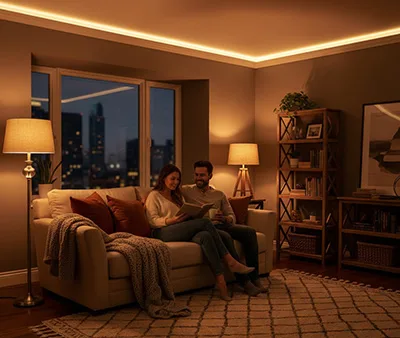
Whether the project is commercial or residential, understanding color temperature in relation to real application needs helps guide better lighting decisions. Tunable white lighting is especially suitable for spaces where the light temperature needs to adjust based on the environment or tasks. When CCT control is well-designed, lighting becomes more than just illumination—it becomes a responsive element in the environment. For example, in home environments, restaurants, or offices, adjusting the color temperature can offer a more flexible lighting experience.
However, for spaces with relatively fixed lighting requirements, the value of tunable white lighting is less significant. For example, in kitchens or bathrooms, if there are no specific color temperature requirements, selecting fixed color temperature lighting is sufficient. This can save costs while maintaining stable performance.
For lighting needs requiring tunable white technology, we offer a range of LED luminaires that meet the demands of different spaces and environments. Whether for homes, offices, or commercial places, we have the right solutions for you. If you have any questions about color temperature adjustment or other lighting needs, feel free to contact us. We’ll provide professional products and customized advice. More importantly, we’re happy to share our expertise and help you find the best lighting solution. Let’s chat anytime!